UT Gardens’ December Plant of the Month
Submitted by Whitney Hale, education coordinator, UT Gardens, Knoxville
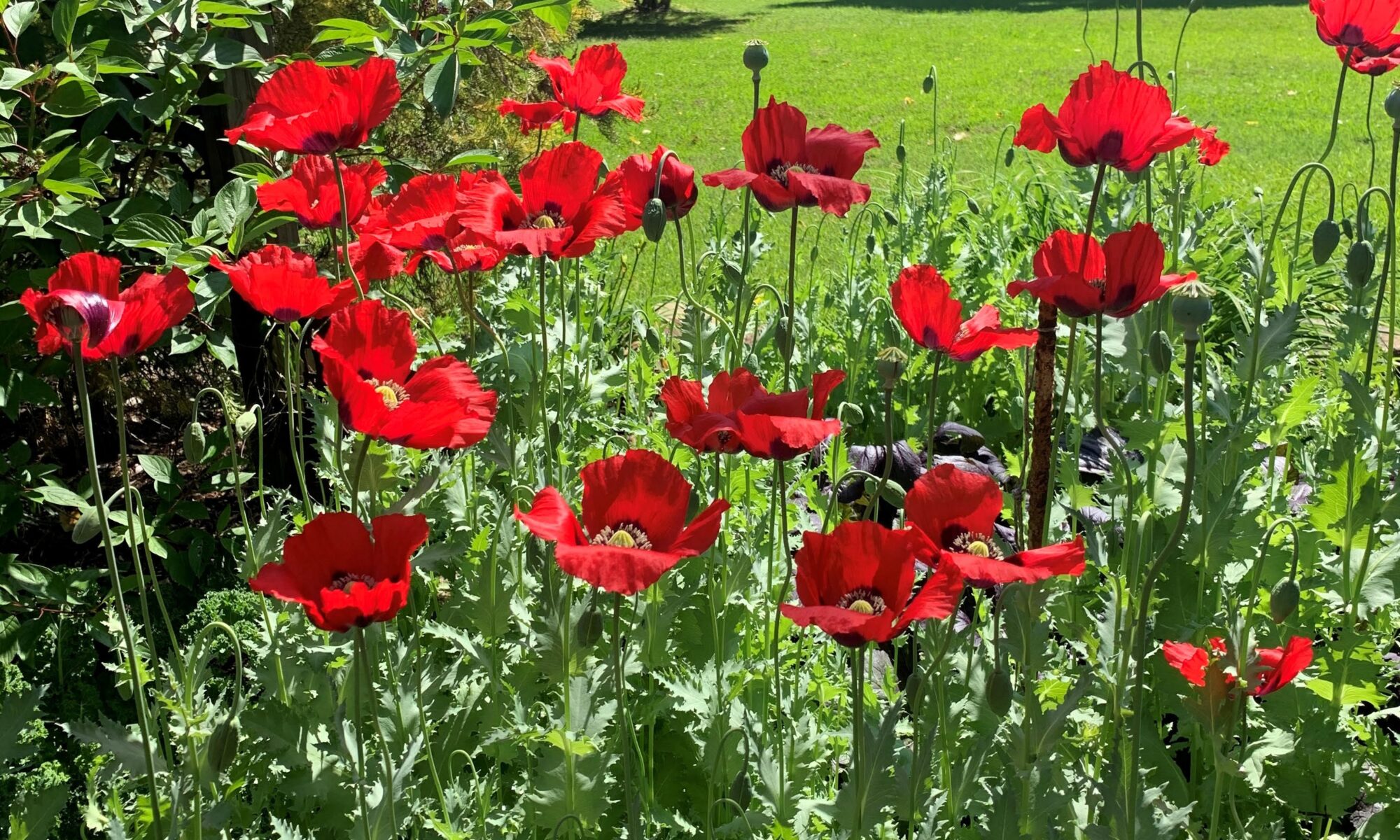
For the past 6,000 years, humans have cultivated poppy flowers, including Papaver somniferum, which is one of several species of poppies. They have been at the center of tales both good and bad and somewhere in-between. Through it all, poppies have remained a favorite of gardeners around the world.
Opium (or bread seed) poppies are a winter-sown annual in the United States and are hardy in USDA Zones 3-8. Though sometimes difficult to establish, poppies grow best in full sun island beds and borders. The scattering of seeds over a mulched bed or bare soil in bleak December is an act of hope for the coming year. Uncovered (but lightly raked in), the tiny seeds will germinate in the cold and will burst forth in the warmth of spring, growing 3 to 4 feet tall by May, with their garish petals flitting in the breeze. As balmy spring turns to blazing summer, the petals drop and the seed pod develops, eventually spreading the seeds for next year’s crop.
From ancient Mesopotamian civilizations to today, poppies have been grown to produce opium, a narcotic that has many medicinal uses including pain relief and cough suppression. Migration and globalization brought poppies to the United States, where they have become a regular part of American life. Here, you can eat lemon poppy seed muffins or reap the medical benefits of poppies in medication from your pharmacy. These plants have been tied to human cultivation for thousands of years; just think of the stories their ancestors could tell.
Become part of their multifaceted history by growing poppies in your own garden. Direct sowing is the best way to plant them since they can be difficult to transplant. We recommend that you mix the seeds with a cup of sand or potting soil to help evenly distribute the tiny seeds over your garden bed. Once established, they may volunteer through re-seeding.
If you plant multiple colors of poppies, they can cross and produce a unique mix of colors the following year. After the petals have dropped, you can cut the stems and use the seed pods in flower arrangements, too. Look in seed catalogs and your favorite seed providers to source single and double-bloom cultivars in colors including true red, pink, and purple. You’ll attract pollinators and have a great cut flower in your garden, too.
Plan to visit UT Gardens locations in Knoxville and Jackson during the spring to see bright poppies dancing in the breeze.
The UT Gardens includes plant collections located in Knoxville, Crossville and Jackson, Tennessee. Designated as the official botanical garden for the State of Tennessee, the UT Gardens are part of the UT Institute of Agriculture. The Gardens’ mission is to foster appreciation, education and stewardship of plants through garden displays, educational programs and research trials. The Gardens are open during all seasons and free to the public.